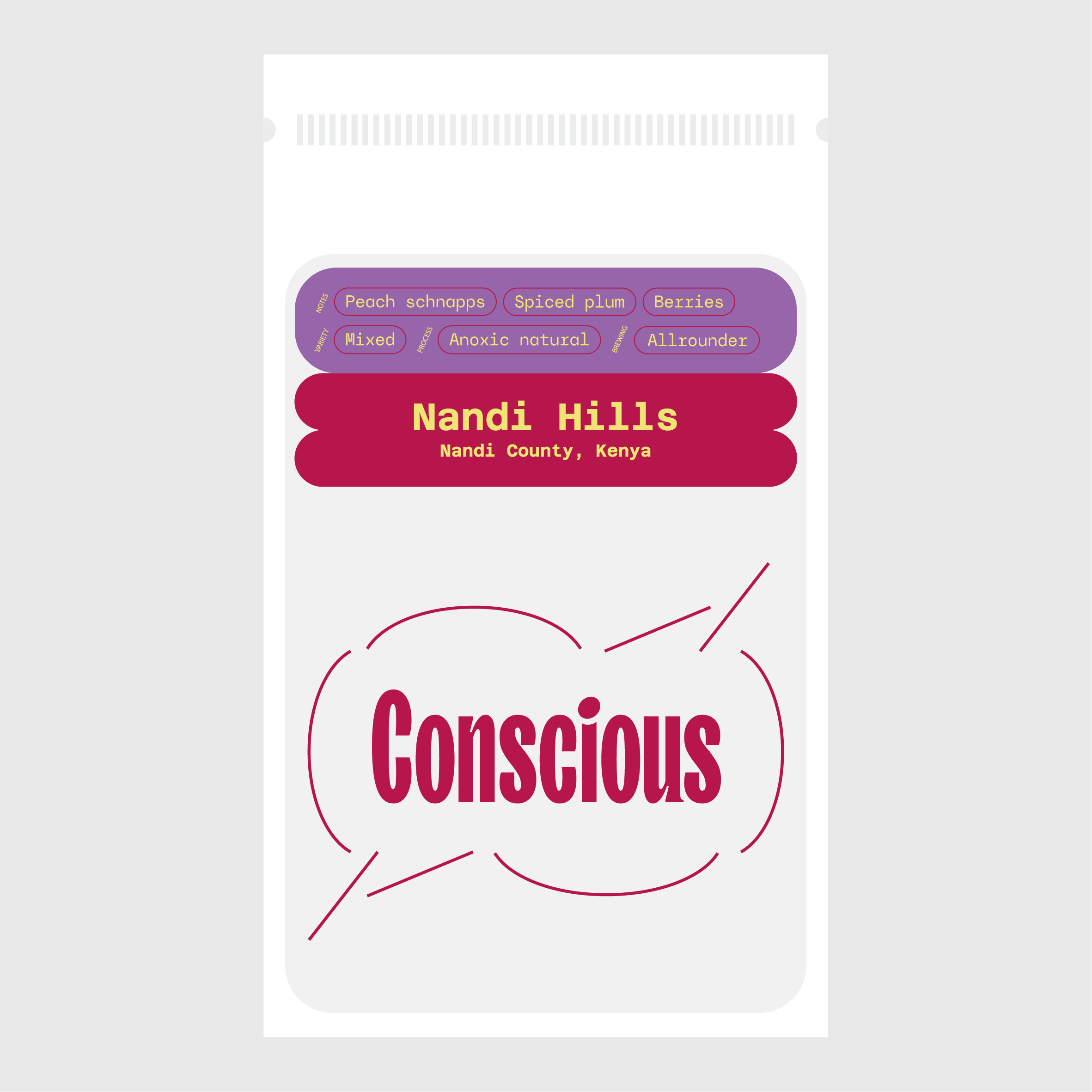
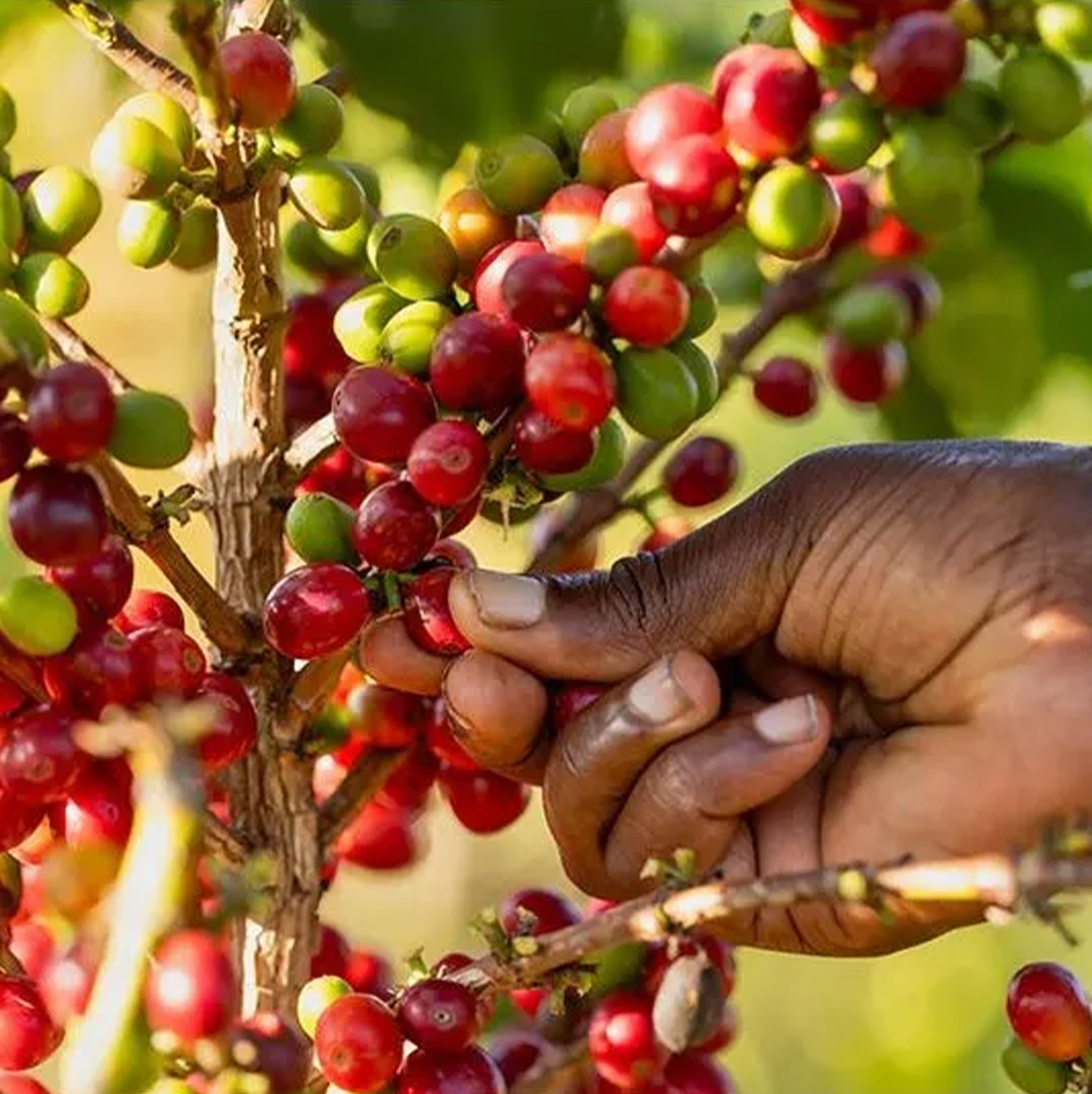


This coffee comes from smallholder farmers in Kenya's Nandi Hills, where coffee is grown between 1,600–1,800 MASL. After harvest, the cherries are delivered to Great Rift Coffee, a family-run estate that processes coffee from both its own farm and neighbouring smallholders, while supporting local farmers through subsidised seedlings and agronomic training. This lot (comprising Ruiru 11 and Batian) underwent 96 hours of fermentation in sealed tanks before being slow-dried, resulting in a fruit-forward cup with notes of peach schnapps, spiced plum and berries.
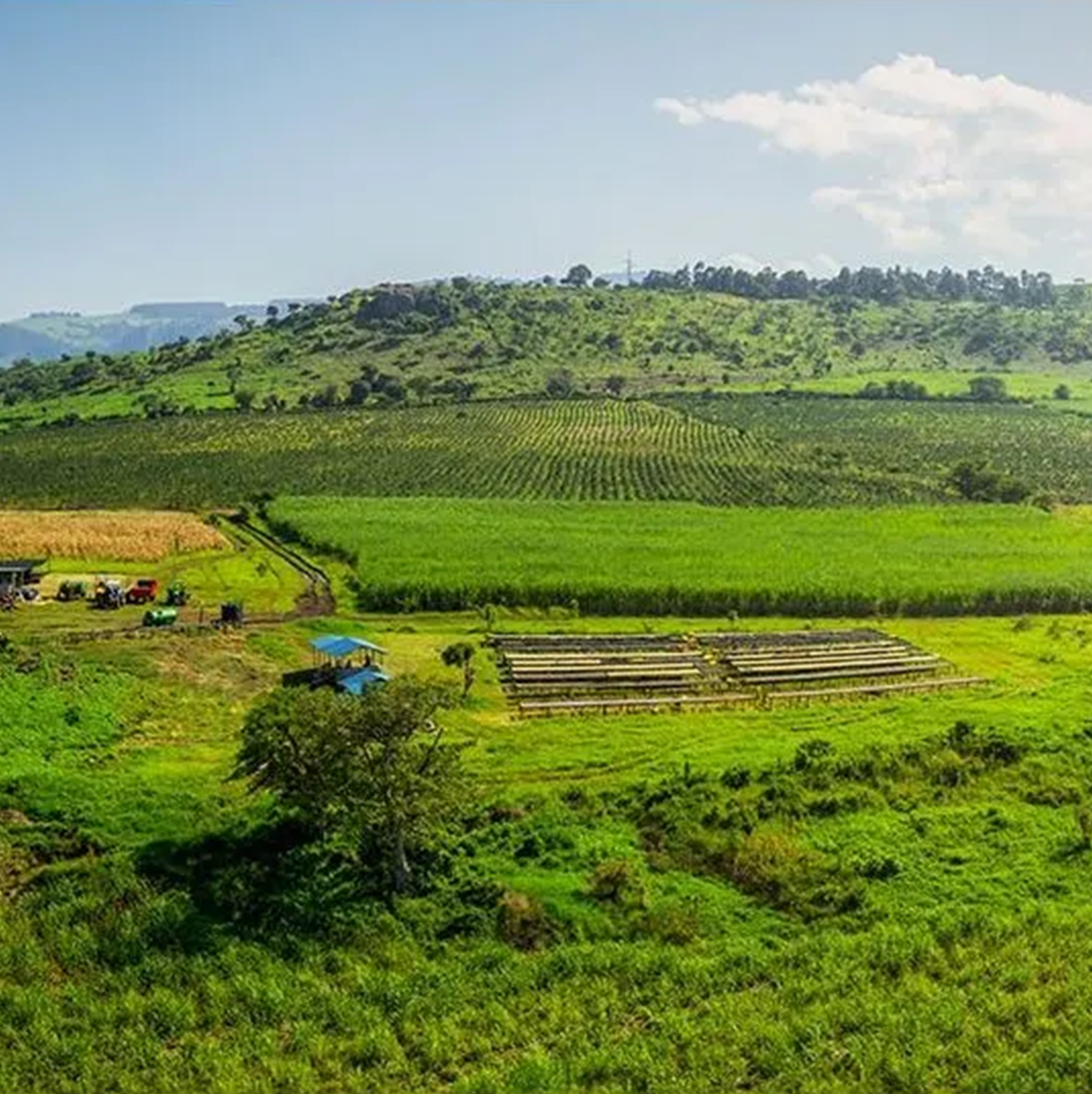
Nandi Hills lies in western Kenya, perched on the highlands just west of the Great Rift Valley. The region's high altitude, fertile volcanic soils and cool, wet climate provide ideal conditions for producing vibrant, complex coffees. Despite these favourable conditions, Nandi is better known for tea than coffee. Speciality coffee production is still relatively young here, with many estates—including Great Rift—established within the last 10–15 years. As a result, Nandi is emerging as one of Kenya's most exciting coffee-producing regions.
Great Rift Coffee began through an unusual approach. Founder and CEO Zakiya Muge and her father first established a dry mill after hearing from local farmers who were increasingly frustrated with relying on multinational-owned mills to process their coffee. In 2020, they established their own coffee farm on the estate, which has continued to expand ever since.
Today, the estate follows a diversified agricultural approach: sugarcane is grown on parts of the farm, beehives support pollination, hay is produced, and livestock are kept. Manure from the livestock is composted and returned to the coffee fields, while water from the pulping station is diverted to irrigate the sugarcane, creating a more circular and regenerative farming system.
Alongside developing their own estate, Great Rift works with a wide network of neighbouring smallholder farmers, who deliver freshly harvested coffee cherries for processing. The company has developed formal partnerships with around 85 of these farmers, providing subsidised coffee seedlings, agronomic training and technical guidance to improve both yields and quality.
Beyond coffee production, Great Rift also invests in the local community. Through the Great Rift Coffee Scholarship Programme, the estate funds full secondary school scholarships for top-performing girls from Nandi County, helping to expand educational opportunities within the region.
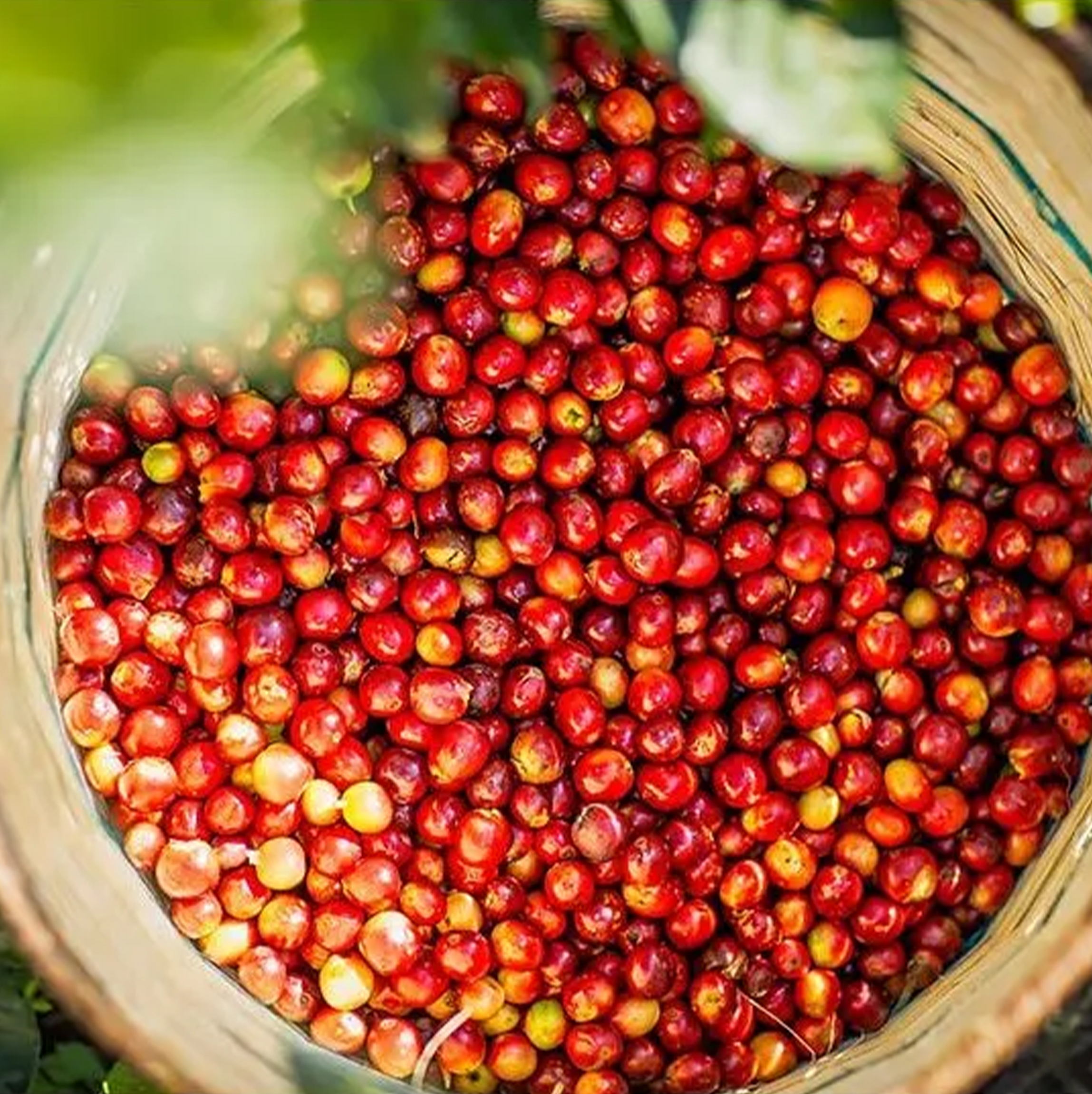
Ripe cherries are hand sorted and floated to remove any immature or defective fruit before being fermented in sealed barrels for 96 hours. The cherries are then dried on raised beds for two to three weeks. During drying, they are turned every 30 minutes and carefully shaded to regulate temperature, ensuring a slow and even drying process. Once the target moisture content is reached, the coffee is milled at Great Rift's own dry mill.
Great Rift exported this coffee (having secured their export licence in 2024) which we purchased through our importing partner, Covoya, after it arrived in the UK in June 2026.
This is our first coffee from Great Rift and also the first Kenyan coffee we've purchased that hasn't been processed using the country's more traditional washed method. We loved how the extended fermentation complements Kenya's vibrant acidity with layers of wild berries and plum, making it a coffee we were excited to share.


If you're not sure which coffee is for you, or you want to try them all, then our discovery pack is just what you need.
Shop now